


Toyzie AI: Toy Value Scanner
4.1191.00 Reviews
App Specs
- Version
- 1.0.20
- Updated On
- License
- Free
- Downloads
- 100,000+
- Developer
- NineG
- Categories
- Tools
- Platform
- Android
Screenshots
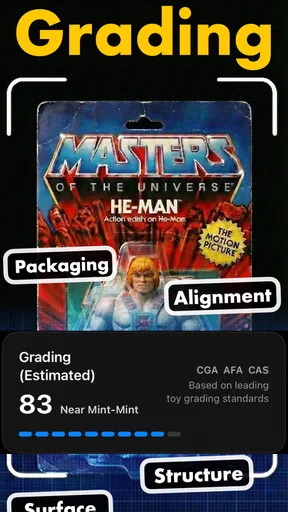
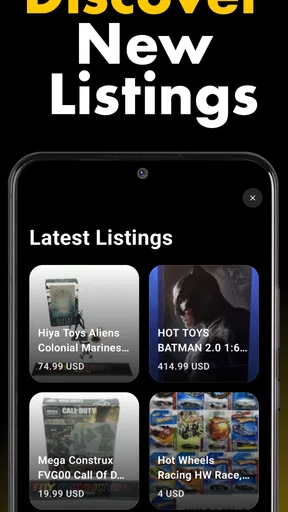
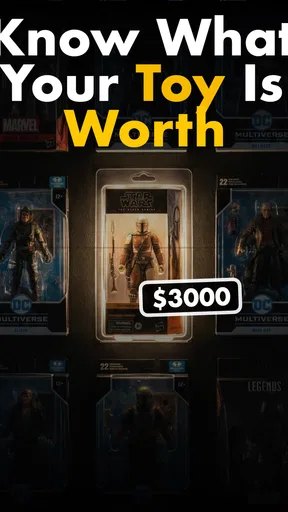
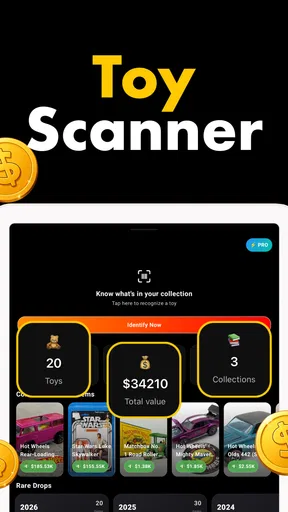
 Analysis by AppCompare
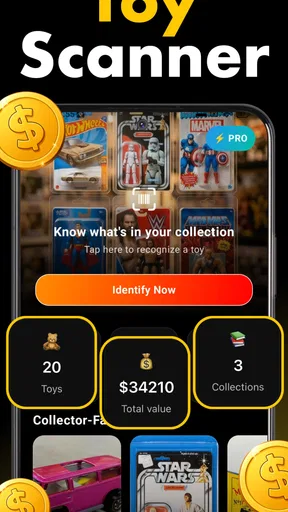
I found Toyzie AI: Toy Value Scanner most interesting as a first-pass tool for people who want to understand a collectible toy before deciding what to do with it. It is not a replacement for a specialist appraisal, and I would not treat an automated estimate as the final word on a rare item. Still, the idea is practical: use a phone camera to identify a toy, gather a little context, and get a starting point for thinking about its value rather than relying entirely on memory or a quick web search.
That makes it a particularly useful collectible toy scanner for ordinary moments. You might be clearing a family cupboard, sorting a box from a house move, checking a market find, or trying to decide whether a toy is worth researching further. In my experience, the app’s main strength is reducing the awkward first step. Instead of asking, “What exactly am I looking at?”, you can begin with a visual scan and then use the result to guide your next decision.
How Toyzie AI approaches toy identification
Toyzie AI is a free Tools app from NineG, built around AI-assisted scanning, identification, and valuation. Its store summary presents a simple promise, but the practical value depends on how you use that promise. The camera is most helpful when the toy is visible, distinctive, and photographed with enough care for the app to work from useful visual information.
I would approach each scan as an investigation rather than a guaranteed answer. Place the toy where its shape, colors, logos, and important details are easy to see. If the item has a brand mark, character face, unusual accessory, or recognizable packaging, make sure that detail is not hidden by glare or clutter. A rushed photograph can turn a potentially useful result into a vague guess, while a deliberate image gives the identification process a better chance.
This is one of the app’s less obvious lessons: the quality of the input matters more than the novelty of the AI. A toy photographed inside a dark storage box is a difficult subject for any visual system. A clean view against a plain background is much more useful. I also recommend scanning the object before cleaning it aggressively. Dust, stickers, missing parts, and wear can all be relevant to value, and changing the item before documenting it may remove useful evidence about its original condition.
Once the app offers an identification or value indication, I would record the result alongside your own observations. Note the toy’s apparent brand, series, accessories, packaging, visible damage, and whether it actually works. This turns the app from a quick novelty into a sorting aid. The scan can tell you which items deserve closer attention, while your notes preserve the details that an image-based result may not fully capture.
Why the visual workflow is useful
The strongest case for this app is speed. Traditional research often means opening several browser tabs, comparing photographs, reading collector discussions, and trying to distinguish similar releases. That process can be worthwhile, but it is tiring when you have a whole box of toys to examine. A scan-first workflow gives you a practical way to separate obvious everyday items from pieces that may deserve deeper research.
Worth Reading Before You Choose

EA SPORTS FC Mobile 26 Is a Bigger Football Game, but It Takes Time

Flipboard Shows What News Apps Must Do Beyond the Feed

Switching to Android Auto Means Rethinking Your Driving Routine

Google Calendar Makes a Crowded Week Easier to Manage

Ludo King Makes the Most of the Minutes Between Plans

Baby Panda World Brings Quick Play to Modern Phones, but Its Game Library Feels Busy
For example, imagine finding a mixed collection while helping a relative organize a spare room. You do not yet know which pieces are complete, which belong together, or which are simply common toys. I would photograph each item, keep the potentially interesting results in a separate group, and then inspect those pieces manually. The app’s value in that situation is not proving the exact selling price. It is helping you decide where to spend your limited time.
That distinction matters because collectible value is rarely determined by appearance alone. A toy can look old and still have little demand. Another can seem ordinary but become more interesting when it has its original box, a particular accessory, an uncommon variation, or a desirable character. Toyzie AI can help you notice what to investigate, but it should not encourage you to skip the investigation.
I also like the possibility of using the app before buying a second-hand toy, with sensible caution. At a flea market or charity shop, a quick scan may help you recognize an item you would otherwise overlook. However, I would never let a fast result push me into an expensive purchase. The responsible workflow is to scan, inspect condition, compare the result with real listings or collector references, and then decide. The app is best at opening the research process, not closing it.
Where the app saves time, and where it does not
Compared with a general image search, a dedicated toy-focused tool gives the task a clearer purpose. A general search may return visually similar characters, unrelated products, or broad marketplace pages. Toyzie AI is more directly aimed at the two questions collectors and casual owners usually ask first: what is this, and might it be worth something?
Compared with manual cataloging, it is faster but less dependable as a final authority. A spreadsheet or notes app remains better for tracking quantities, condition, purchase history, and sale decisions. Compared with asking a specialist collector, it is more convenient but lacks the human ability to notice subtle regional variations, production changes, restoration, or an unusual combination of parts.
That trade-off suggests a useful division of labor. Let Toyzie AI handle the initial visual triage. Use your own records for organization. Turn to specialist communities, auction histories, or an experienced seller when the item could have meaningful value. This three-step approach is more realistic than expecting one scan to replace every other method.
The app is available at no charge, which lowers the barrier to trying it during a sorting project. There are in-app purchases ranging from $4.99 to $39.99 per item, so I would pay attention to the screen that explains any paid action before confirming it. Free access makes experimentation easier, but the presence of optional purchases means I would not begin scanning a large collection without first understanding what the free experience covers and when a charge may appear.
The important weakness: an estimate is not a market result
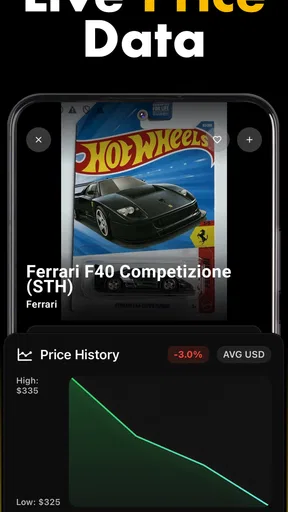
The biggest limitation is built into the concept of automated valuation. A toy’s value changes with condition, completeness, packaging, demand, location, timing, and the difference between an asking price and a completed sale. A visually accurate identification can still lead to an unhelpful value expectation if those factors are not considered carefully.
This is especially important for toys that look similar across several releases. Small differences in paint, accessories, markings, scale, or packaging can separate a common version from a more desirable one. A camera may recognize the general object while missing the detail that matters most to collectors. I would therefore treat every result as a range of possibilities in my mind, even if the app presents a more confident-looking answer.
Condition creates another source of friction. A toy with scratches, faded plastic, missing instructions, broken joints, or replacement parts may be worth much less than a complete example. Conversely, an item that looks dusty but is structurally sound may be more promising than its first photograph suggests. Before accepting an estimate, inspect the toy from several angles and check whether the accessories really belong to it.
There is also a psychological risk. Seeing a high-looking figure can make an owner overestimate what they have, while a low-looking result can cause them to discard something that deserves more research. I think the safest habit is to use the app to assign a research priority, not to assign an emotional or financial conclusion. “Investigate this one further” is a healthier outcome than “this is definitely valuable” or “this is worthless.”
Another limitation is that the app cannot replace the practical work of selling. Identification does not automatically prepare an item for a listing, prove authenticity, find a buyer, or account for shipping and platform fees. If your goal is to sell, you still need clear photographs, an honest condition description, and a realistic view of what buyers have actually paid. Toyzie AI may help you write a better starting description, but it does not remove the responsibilities of a seller.
Tips for getting more useful scans
I would begin with a simple routine rather than photographing everything randomly.
- Wipe the camera lens and use even light, avoiding reflections on glossy plastic or sealed packaging.
- Show the full toy first, then capture identifying details such as logos, markings, unusual accessories, or the underside.
- Keep packaging, manuals, and loose parts together while you work so that completeness is easier to judge later.
- Separate “identified” from “confirmed.” The first means the app has offered a useful lead; the second requires comparison and inspection.
- Save your own condition notes immediately, because a later value check is only as useful as the information you remember about the item.
The third tip is particularly important for inherited collections. Loose accessories often get mixed into the wrong box, and a toy that appears incomplete may become more interesting once its parts are reunited. I would photograph the group as found, then sort carefully. That preserves the original context while giving the app cleaner individual subjects.
For boxed items, I would avoid relying only on the front of the package. The back, side panels, barcode area, and printed character names may provide details that distinguish one release from another. For loose toys, a second scan from the rear or underside may be more useful than repeatedly photographing the same front view. These small changes make the process more deliberate without making it difficult.
Who will get the most from it
Toyzie AI makes the most sense for casual collectors, parents, families clearing storage, second-hand shoppers, and anyone who has inherited a mixed toy collection. It is also a reasonable companion for a beginner who does not yet know the vocabulary needed to search effectively. Getting a possible name or category can make later research much less intimidating.
I would recommend it particularly to people who face volume rather than one extremely rare object. If you have dozens of toys and need to decide which deserve careful attention, a visual triage tool can be genuinely helpful. The benefit is not only speed; it is also focus. You can spend your energy checking the promising items instead of researching every plastic figure with equal intensity.
It may also suit a parent helping a child learn about collecting. Used carefully, the app can turn a box of toys into a small research project: identify an item, inspect its condition, compare similar examples, and discuss why value is not the same as age. I would supervise any purchase-related decisions and explain that an estimate is a starting point, not a promise of money.
On the other hand, serious collectors who already know their specialist catalogs may find the app less valuable for final identification. If you are dealing with rare variants, authenticated pieces, signed items, or a collection where small manufacturing differences determine the price, human expertise and established reference material should lead the process. The app can still offer a quick second opinion, but I would not make it the primary authority.
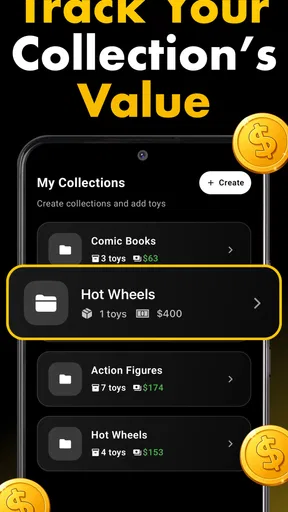
I would also skip it as a main solution if your goal is inventory management rather than discovery. A dedicated cataloging system is better for tracking purchase dates, storage locations, duplicates, insurance records, and sale status. Toyzie AI is centered on the moment of recognition and valuation; it is not the same kind of tool as a long-term collection database.
Everyday use without overtrusting the result
My preferred workflow is cautious but quick. I scan an item, write down the suggested identity, inspect the physical toy, and then compare the result with independent evidence before making a decision. If the toy appears common and incomplete, I move on. If it appears unusual, complete, or well preserved, I photograph the details and investigate further.
This approach also helps when the app’s result feels uncertain. Instead of repeatedly forcing the same image through the process, I change the evidence: better light, a clearer angle, visible markings, or a photograph of the packaging. If the result still does not make sense, that is a signal to move to manual research rather than keep treating the scan as an answer.
Privacy and cost awareness should be part of that routine too. Since the app works with toy images, I would avoid including personal documents, children’s faces, home addresses, or anything unrelated in the frame. I would also review each purchase prompt carefully, especially when scanning many items. A free download is convenient, but optional paid actions can change how economical the app is for a large collection.
The app is rated for Everyone and requires Android 7.0 or later, which makes it accessible to many Android users with older devices. Its current version is 1.0.20. The developer is NineG, and the app has reached over 100K installs with a 4.1 average from around 1.5K ratings, alongside 191 written reviews. Those figures suggest an established level of public interest, but I would still judge the app by how consistently it handles your particular toys rather than by popularity alone.
My final recommendation
I see Toyzie AI: Toy Value Scanner as a useful doorway into toy research, not a professional appraisal service. Its best feature is the workflow it encourages: scan first, identify possible candidates, and decide where deeper attention is worthwhile. That is genuinely helpful when you are facing an untidy collection, an unfamiliar second-hand find, or a cupboard full of toys with no labels.
The app becomes much more reliable as part of a broader process. Good lighting, multiple views, condition notes, and independent price comparisons are not optional if money is involved. I would be especially careful with rare-looking items, incomplete toys, boxed releases, and anything where a small variation could change the result. The more valuable the potential item, the less comfortable I would be relying on an automated estimate alone.
For beginners and casual owners, I think the free entry point makes it worth trying. It can save time, teach you what details matter, and turn a confusing pile into a manageable shortlist. For advanced collectors, it is better viewed as a convenient preliminary check than as a replacement for specialist knowledge.
My verdict is positive with a clear condition: use Toyzie AI to find leads, not to skip judgment. If you want a fast way to explore unidentified toys and decide what deserves research, it is a sensible tool to keep on your phone. If you need certified authenticity, exact market pricing, detailed collection management, or expert-level variant recognition, another method will still be the better choice.
Pros
- Quickly estimates toy values using a photo and basic item details.
- Useful for spotting potentially valuable toys at flea markets or garage sales.
- Simple interface makes scanning accessible for casual collectors.
- Can help organize research before listing toys for sale online.
- Provides a convenient starting point for identifying unfamiliar toys.
Cons
- Photo-based estimates may be inaccurate for rare or heavily customized items.
- Condition
- packaging
- and accessories can greatly change the final value.
- Results may depend on limited marketplace data or regional pricing.
- Some features or scans may require a subscription or in-app purchases.
- The app cannot replace expert authentication for expensive collectibles.
FAQs for Toyzie AI: Toy Value Scanner
What is Toyzie AI: Toy Value Scanner and how does it work?
Toyzie AI: Toy Value Scanner is designed to help users identify toys and estimate their potential value using artificial intelligence. You typically take or upload a clear photo of a toy, and the app analyzes visible details such as its appearance, brand, model, and condition. The results should be treated as an informative estimate rather than a guaranteed selling price.
Can Toyzie AI accurately identify every toy and collectible?
The app can be useful for recognizing many popular toys, action figures, dolls, games, and collectibles, especially when the item is photographed clearly. However, identification may be less reliable for rare editions, incomplete sets, unbranded toys, damaged items, or products with similar designs. Always check the suggested information against packaging, markings, official catalogs, and collector marketplaces.
Does Toyzie AI provide the exact market value of a toy?
Toyzie AI may provide an estimated value based on the information detected from your image, but the figure should not be considered an official appraisal. Real prices can vary significantly depending on condition, completeness, packaging, authenticity, demand, production year, and recent sales. For expensive or rare collectibles, compare the result with completed listings and consult an experienced specialist.
What kind of photos produce the best scanning results?
For the most useful results, photograph the entire toy in good lighting and keep the camera steady. Avoid heavy shadows, reflections, cluttered backgrounds, and blurry images. Include important details such as logos, model numbers, copyright marks, accessories, packaging, and visible damage when possible. If the first scan is unclear, try another angle or upload a closer image of the identifying label.
Is Toyzie AI: Toy Value Scanner free to use, and are there any privacy concerns?
Availability of features, scan limits, subscriptions, or in-app purchases may depend on the current version of Toyzie AI and your device’s app store region. Review the pricing screen carefully before starting a trial or confirming payment. Because the service may process uploaded toy photos online, check its privacy policy and permissions, particularly if images include children, personal belongings, or identifiable information.


